How can I bond with my newborn if I don’t feel connected?
The Number One Essential Way to Build Trust and Long-Lasting Meaningful Connections with Your Baby
Written by Laura Liebig, Founder of Baby Parent Steps

July, 22, 2026 – newborn, bond, touch
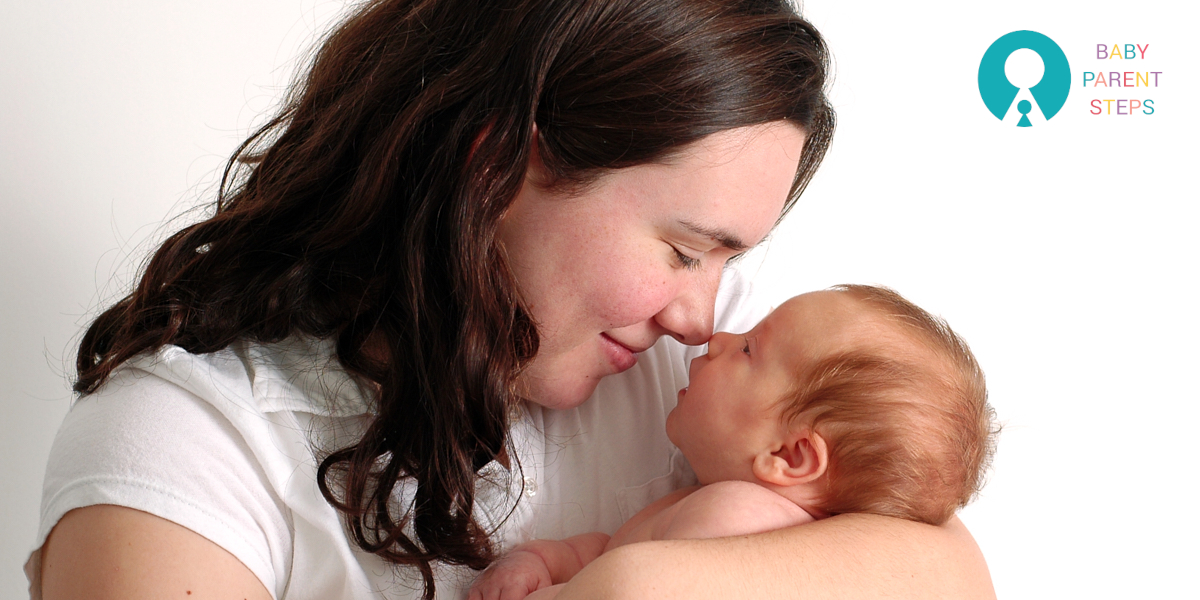
The best practice for connecting with your baby is intuitive touch bonding, also known as skin-to-skin connection.
Whether it’s your first or third baby, bringing your newborn home is a magical, yet sometimes overwhelming, experience. At least it was for me 26 years ago, when I brought my first baby girl home.
Depending on your birthing experience and how your hormones change, the bonding process can be slow, or you may feel an immediate spark from the start.
Both experiences are normal occurrences.
You are not the only one who doesn’t feel that explosive connection from the start.
Even new moms and dads who feel a strong connection the moment they see or hold their baby still build their bond over time.
Through daily attentive, respectful, positive activities woven into your routine while caring for your little one, every parent can build and strengthen their bond with their baby.
Did you know that babies cannot survive without being lovingly touched?
Touch is a baby’s most developed sense and the foundation for bonding, and science backs it. https://hms.harvard.edu/news/exploring-our-sense-touch-every-angle
The touch-bonding approach is the method I recommend new parents start with.
Your baby’s first language is touch.
Babies experience body boundaries way before being born, while in the womb.
You might remember feeling their kicks during pregnancy and placing your palm on your tummy in response to your baby’s movements. Your baby felt your response, too.
After birth, skin-to-skin snuggles let your baby feel safe.
Our sense of touch connects deeply to other human senses we use for communication, as well as to feel emotions. You can’t view it separately from the whole sensory system. That’s why we use it paired with our voice and vision.
Observe your baby’s reactions when you touch them, for example, when you change their diaper or pick them up. In your mind, choose the descriptive word that best fits what you experienced.
Then think about how you went about it.
Did you announce what you were doing, or just do it automatically?
Once you are aware of your action, you might experience it differently.
Start again when it feels right, with that new awareness in mind, and let your baby know before touching their skin.
At the same time, tune into your own sensations as you explore the touch-bonding technique approach below.
Take your time.
Don’t rush through.
Your baby needs to process the sensation of touch in their body, the movement that goes with it, and your pace, too.
It may take babies much longer to process what they feel than adults expect.
So, take your time.
How to begin the baby touch-bonding approach
- Lay your baby on a sturdy, flat, safe surface or in your lap and make sure they’re on their back.
- Warm up your hands by rubbing your palms together before gently, but not ticklishly, touching your baby’s head.
- As you do this, narrate your actions; talk as if your baby understands what you say.
- Using your entire palm and gentle firmness, stroke your baby’s head, starting at the crown of the head and gliding down toward and behind their ears.
- Gently bring your fingertips together beneath the baby’s chin to create a loving connection.
- Smile and look into your baby’s eyes.
- Pause.
- Repeat and narrate your action.
- Your baby loves hearing your familiar voice.
Each gentle stroke lays the groundwork for connection, calm, and security.
The key to bonding
It is not perfection.
Nor is it the one technique you apply.
It is the quality of touch that matters, and your state of mind.
Attentive, small daily moments of greeting and caring that foster trust are crucial for bonding.
One important task during skin-to-skin contact
Observe your baby’s reaction.
The subtle cues will help you understand your baby’s preferences.
Your baby may delight in your gentle touch on their head, or they might show signs of discomfort.
If you notice resistance in certain areas, like your baby’s ears, gracefully move to a different body part, like their legs or arms. A soothing massage there can have a wonderfully calming effect, helping your baby relax and feel cherished.
A remarkable bonus of skin-to-skin connection
As your baby touches your warm skin and smells your familiar scent, it releases oxytocin, often called the “love hormone.”
This powerful chemical feels like a bubble bath for your brain but also for your baby’s brain.
It benefits both of you, especially during the often-challenging postpartum period.
Embracing this connection can enhance your emotional well-being and strengthen your bond.
Consistent touch-based positive interactions activate and fine-tune your baby’s sense of touch.
It lays the groundwork for cherished daily rituals. Think of gentle strokes, soothing snuggles, or infant massage. These simple yet meaningful routines, whether during diaper changes, for example, not only foster closeness but also establish a strong foundation for secure attachment as your little one grows.
Remember: It is never too late to begin bonding.
Regardless of your situation, whether the connection forms quickly right after birth or blossoms gradually, what truly matters is your unwavering commitment to being present with patience, consistency, and an open heart.
Your baby is eagerly waiting for you to take that first step.
What matters most is your dedication to nurturing your relationship with affection, love, and emotional security in everyday moments.
Start today.
Explore other powerful actions and simple strategies to turn your bonding journey into a growing, deeply fulfilling experience. Check out “What are the best ways to soothe my crying baby?”